all about the inability to stand still and the constant urge for change
Morocco – A symphony of deserts, traditions and modernity
A country full of contrasts – and that’s exactly what makes it so fascinating.
Modernity meets reality On the one hand, Morocco is astonishingly modern. The level of development of the major cities is essentially the same as in the West, main roads – hardly a difference from ours, there are well-developed highways connecting the main cities ,and even a couple of high-speed trains are operating between major cities. Sounds pretty progressive at first. But as soon as you leave the urban centers behind, the picture changes abruptly. Grocery shopping for example becomes a completely new experience. The Citys big supermarket suddenly becomes the small “Superette” or a family-run shop with a very manageable assortment. That’s when you quickly realize how spoiled we actually are at home – and how naturally we take our oversupply of products for granted. The shops in the countryside are often all quite similar: always the same products, little choice. Sure, you come to terms with it, take what’s there – but after a while you crave a little variety. Of course, things look better in the big supermarkets of the cities. You can find almost everything there – but, if what you want is something imported from Europe, then you can easily pay prices like at home or even higher. Cheese? Hardly any choice. Ham? If at all, then in a homeopathic dose. Sausages and cold cuts often look rather artificial, like decoration in a museum display case. So you kind of live permanently on the back burner. Always the same, always a little improvised. You are fortunate if you have a solid supply of cans, Preserving jars and emergency rations with you in the Van . Nevertheless, one is reminded again and again that Morocco is not a Western industrial country after all – especially if one strolls hungrily through the aisles of a small shop – and hopes there is a hidden cheese counter somewhere after all.
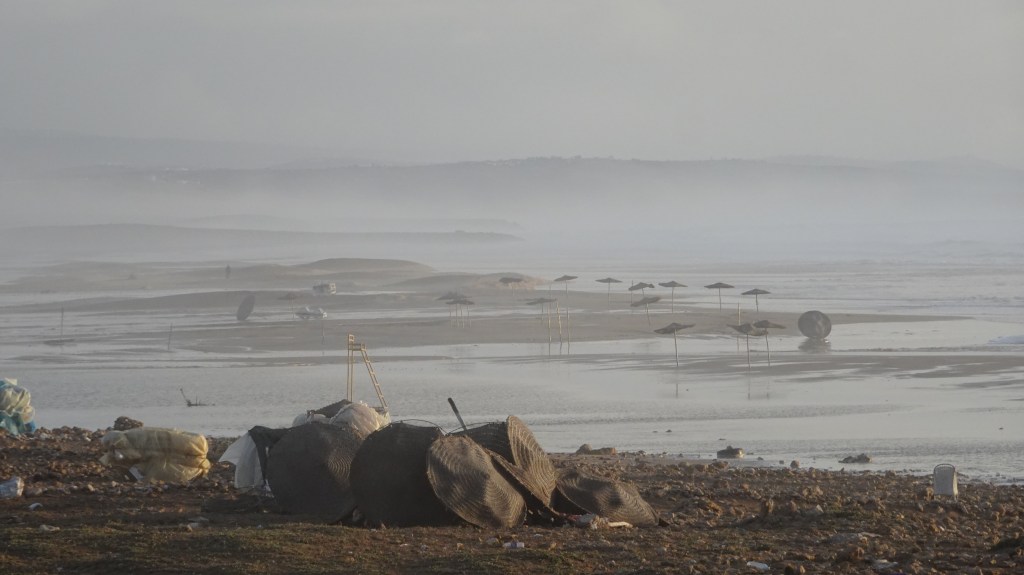
The Coast form Tangier to Sidi Infi – an beyond To be honest, the entire coastal section from Tangier to the south of Agadir rather disappointed me. What immediately catches the eye is the ubiquitous pollution – especially plastic, and not only on the beaches, but really everywhere. The worst is around villages and cities, but also outside in the countryside: in fields, forests, rivers, even in dried-up streams, the garbage is lying around ankle deep. Although the government has already banned plastic bags in 2016 – the effect seems to have evaporated somewhere in the wind of the Atlantic coast. The rubbish remains. Just like the general decay: crumbling buildings, neglected corners, rusty remains. The traces of time and lack of care are hard to miss. As in many countries with weak infrastructure, the gap between rich and poor is extremely wide. This is especially noticeable in Rabat – the modern capital with a chic center, smooth streets, international shops. As soon as you are outside the City again, it almost seems like another world. The trip along the coast had little spectacular to offer. A few nice sections of landscape, some historical buildings, some Markets in towns less frequented by tourists– that’s almost it. The beaches are wild, windswept, ideal for surfers – but less so for someone who just wants to sit on the Beach and enjoy a swim in the sea. There are some impressive cliffs around the Agadir area – pretty, but not really overwhelming .
It gets more exciting when you leave the coast behind.
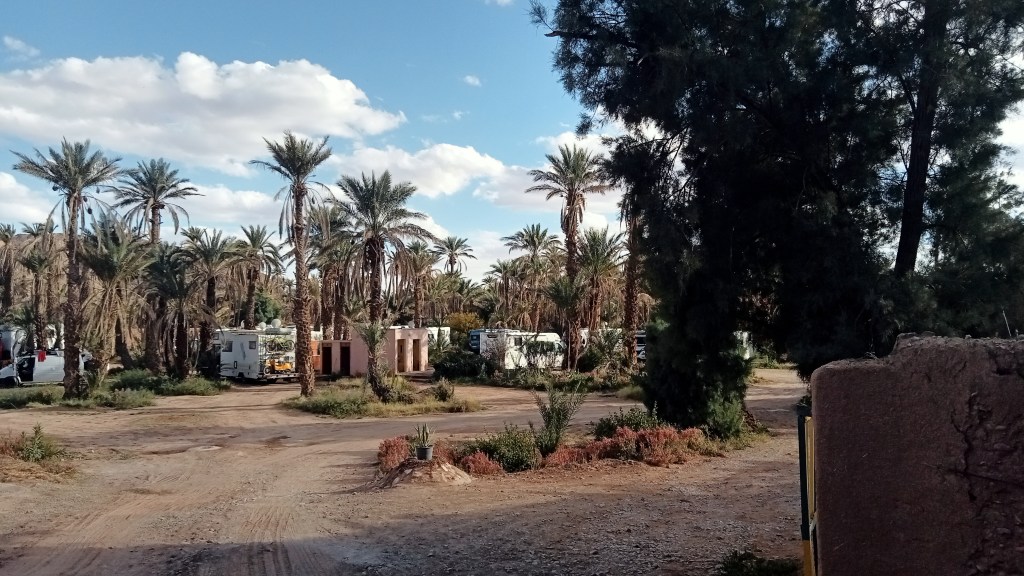
As soon as one turns inland, the country begins to constantly change its face. It feels like the landscape is reinventing itself every few kilometers. Sometimes Steppe, then dry, almost Tundra-like areas. For a while you drive through rocky desert landscape, then suddenly through parched Acacia plains. And, somewhere in between, huge, dried-up riverbeds that run like wounds through the country. Then – as if out of nowhere – green oases with date palms appear, where people are trying to get a little barley from the dry ground.
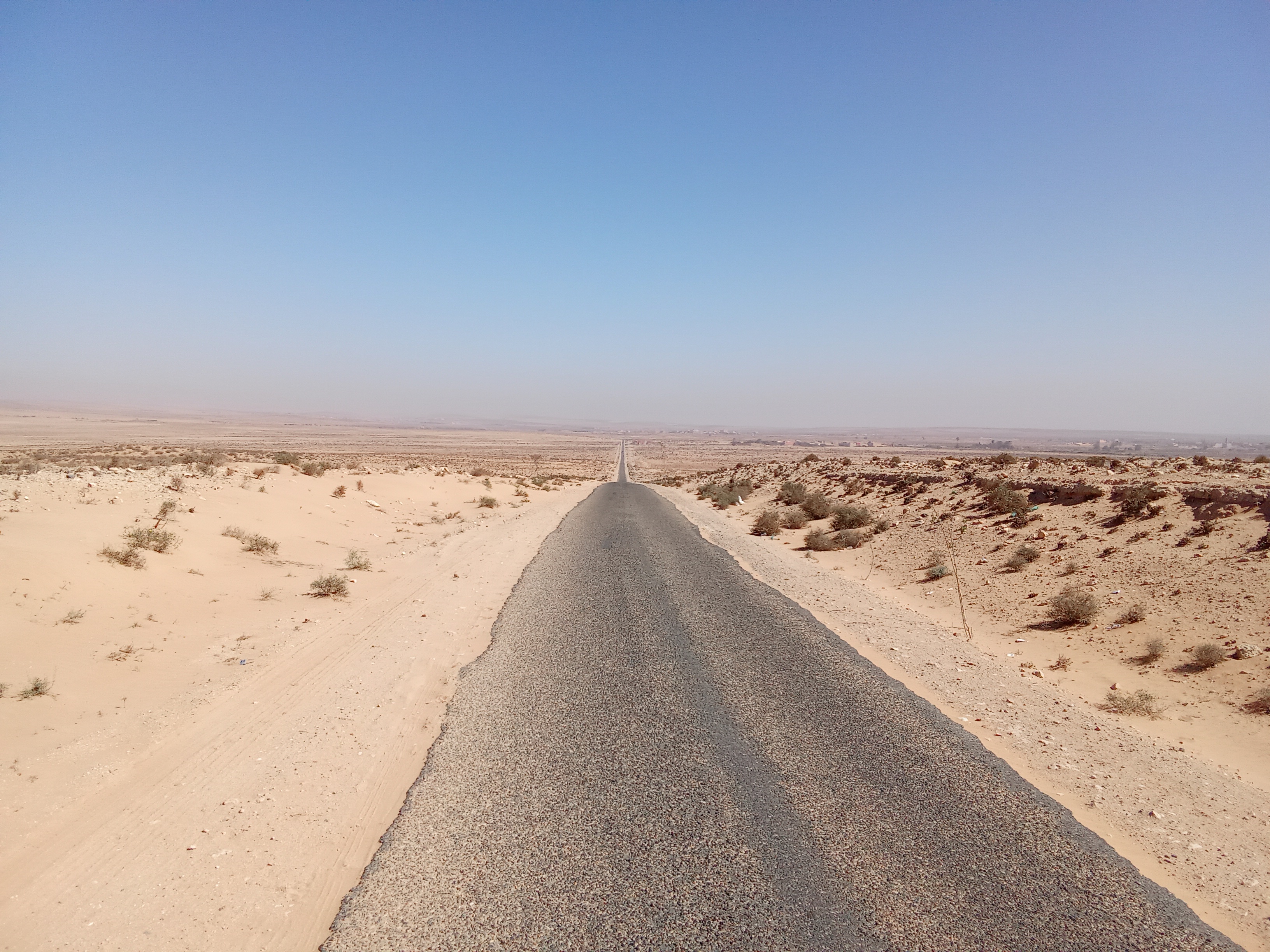
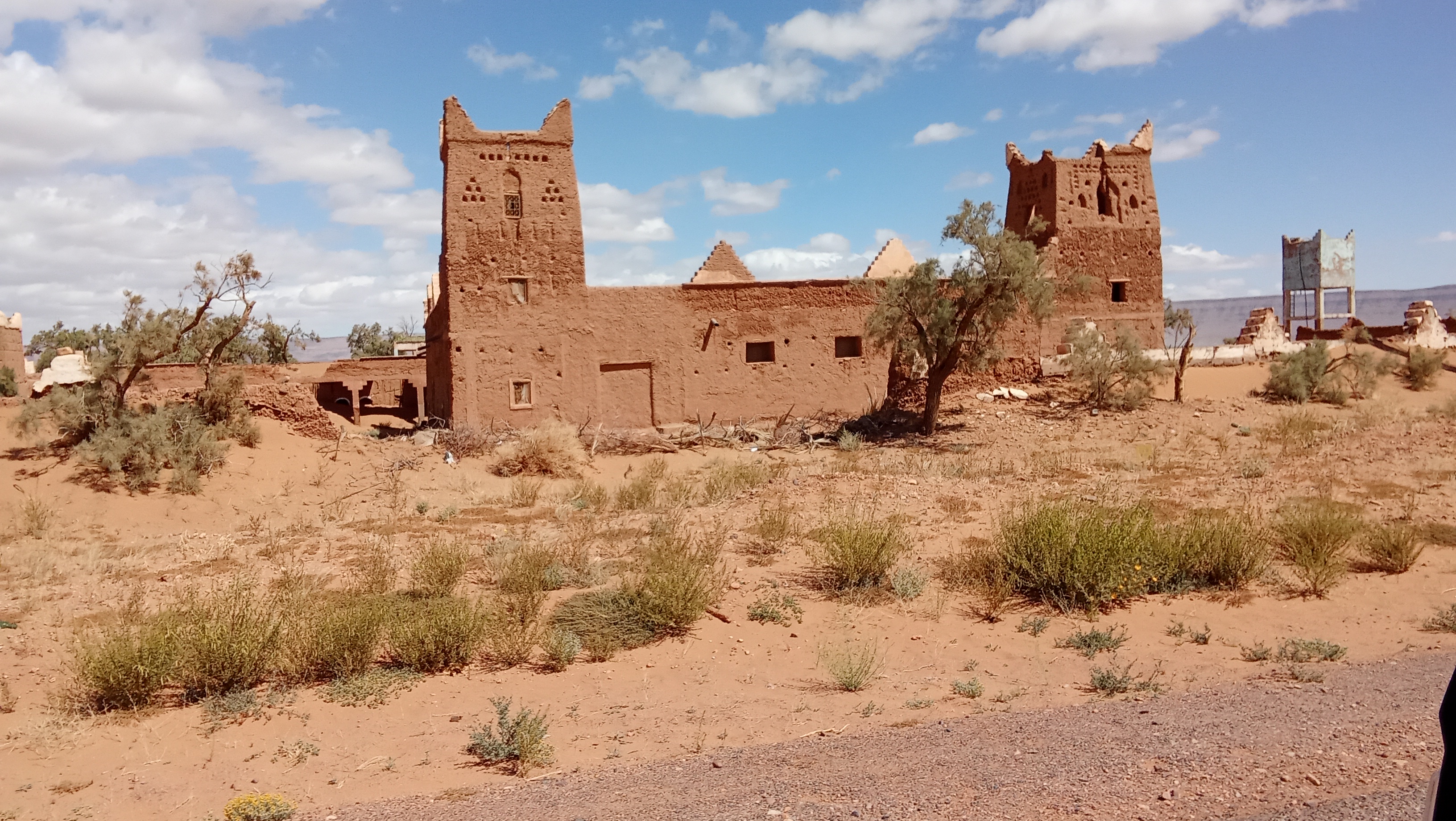
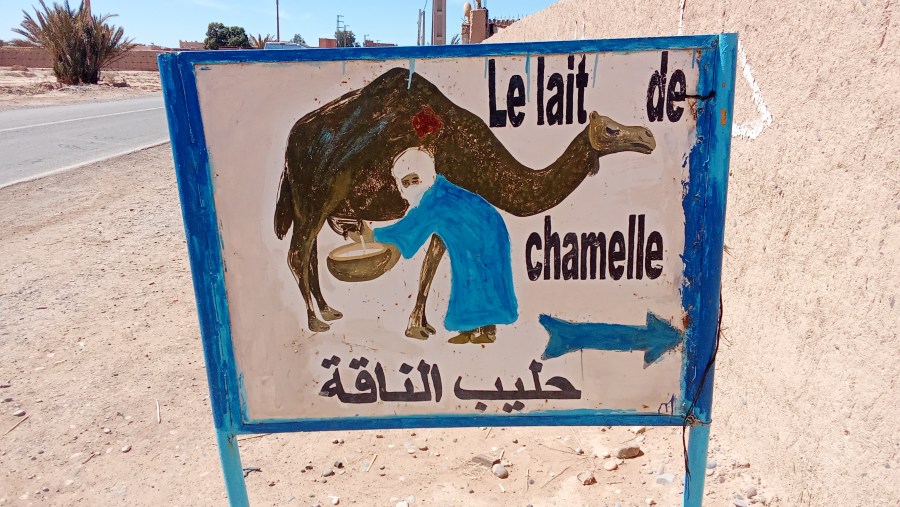
In the very south, close to the border with Algeria, you finally come across what we have in mind as “the real desert” = endless sand dunes . For me, one of the absolute highlights of the trip. These shapes, this play of colors in the changing light, the silence – and the wind, which tirelessly draws new lines in the sand. A spectacle of nature that is awe-inspiring. What also impresses is the remoteness. The south of Morocco is sparsely populated. On some routes you drive for hours, where you see no or only a few cars passing by . And yet you almost always see people somewhere. On the side of the road, waiting for a bus, or riding on a donkey, loaded with grass, water or wheat – in the middle of the expanse, as if it was the most natural on Earth. When you drive through here as a Central European, you are left with the impression of a simple, often very barren way of life. The further you move away from the so-called civilization, the more obvious it becomes how reduced life is in this region. The range of goods is limited, especially in remote villages, in the desert or in the mountains. People here often still live the way you would imagine the 19th century to be: focused on the necessary, nothing superfluous. When I drive my van through the more remote regions, it sometimes seems to me that I am traveling through a different time in a time machine. Modernity seems far away, in some small villages people still live in simple mud huts or makeshift accommodation, often without electricity, sometimes even without running water. Agriculture is hardly possible here, the soil is too dry, too stony. Life follows old patterns, strongly influenced by tradition – the focus is usually on the animals: sheep or goats, which are led by the shepherd through the barren landscape. And yet – they live, they laugh, they cope. In a calm way that is admirable. But then, as a stark contrast, you can always spot someone with a smartphone in their hands, even far away, deep in nothingness the network is amazingly stable. Morocco is surprisingly well connected digitally – whether in the shade of a clay wall or on the back of a donkey.
Back in the Comfort Zone
Stepping off the Ferry and onto European soil, something curious happens: you suddenly feel how much freedom you’ve regained—or more precisely, how much you unknowingly let go of along the way. There you are, standing in front of a supermarket shelf, slightly dazed. Cheese as far as the eye can see. Cold cuts in every imaginable shape. Yogurt, fresh bread, a forest of options. All those little things you normally toss into your shopping cart without a second thought suddenly feel like luxurious gifts. And you find yourself wondering: Since when does a block of Gouda bring me joy? Even the streets feel quieter. No one calling after you, no kids begging for sweets, no men trying to sell you something—or simply wanting to strike up a conversation. It’s as if you’ve re-entered an invisible bubble of personal space, where no actually means no, without negotiation. And then there’s alcohol. In Europe, so normal it barely registers. In Morocco? A whole different story. What’s an after-work drink here becomes a legal Grey zone there. No beer with your dinner, no wine on a warm evening terrace—and during Ramadan? Forget it. Even a humble glass of red becomes a logistical challenge. Each of these little restrictions isn’t a big deal on its own. In fact, some feel intriguingly different at first. But bit by bit, they stack up. And one day, you realize: those tiny freedoms you never thought twice about? They matter more than you expected. Yes, it’s luxury-level complaining. First-world problems, no doubt. But after two or three months immersed in a different rhythm of life, one thing becomes clear: Freedom wears many faces—and sometimes, it’s only once you’ve left it behind that you recognize the ones you truly missed.



 driftingvagabond.com